Common ceiling leak causes in Portsmouth homes
Flat leaks and converted buildings
Portsmouth flats and conversions can be difficult when water appears through a ceiling. In many cases the leak is from the bathroom above: a bath, shower, toilet, concealed cistern, flexible hose, waste fitting or failed seal. In converted houses, bathrooms may have been added or altered over time, so the route between the source and the visible damage is not always obvious.
Shower leaks
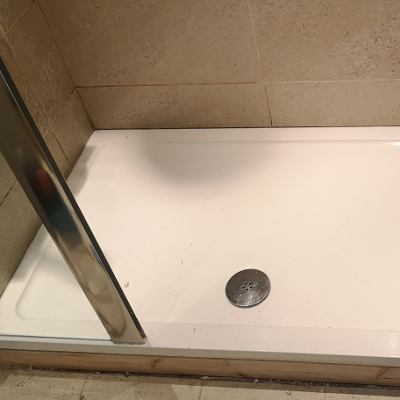
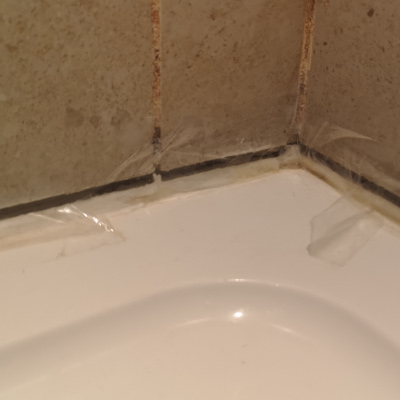
Shower leaks often show up as staining, dripping or damp patches on the ceiling below. Common causes include failed silicone, loose shower tray waste fittings, leaking shower valves, cracked grout, poor tray support, poorly sealed shower screens or pipework behind the wall. A shower may only leak while it is being used, so the timing of the leak is useful information. For more detail, see the bath and shower leak advice.
Bath leaks
Bath leaks can come from failed silicone, the waste, overflow, taps, bath trap, shower screen, flexible tap connectors or pipework hidden behind the bath panel. Water may run along the underside of the bath and down through a small gap before appearing in the ceiling below. A leak can be worse after a bath is drained because the waste pipe is carrying more water. The bath and shower leak guide covers the common causes.
Toilet leaks
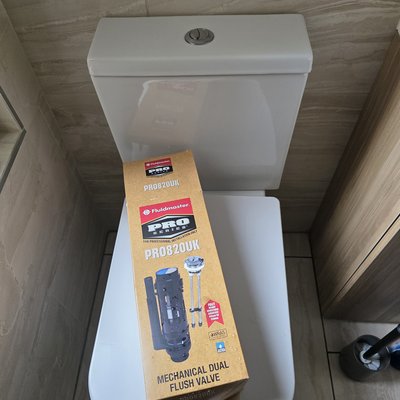
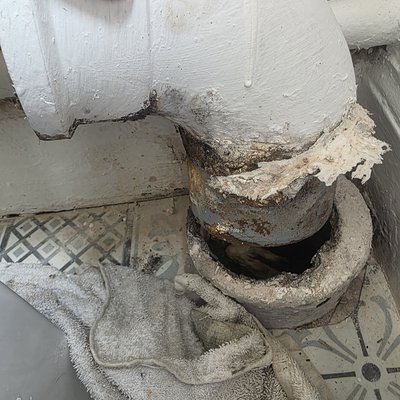
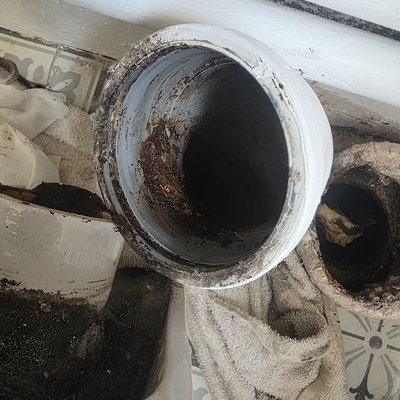
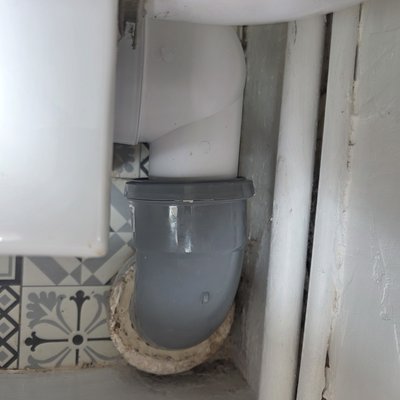
Toilet leaks can be small at first but still cause ceiling damage below. Faults may involve the inlet valve, flush pipe, pan connector, cistern bolts, isolation valve, overflow, concealed cistern, boxing-in or waste connection. If the toilet has an isolation valve and it is safe to reach, turning it off may reduce the leak while you wait for help. See the toilet leaks and faults guide for toilet-specific warning signs.
Flexible hoses and hidden bathroom pipework
Burst flexible hoses, loose tap connectors, tired isolation valves and hidden pipework behind bath panels or bathroom boxing can release a lot of water quickly. If the leak continues when nobody is using the bathroom, it may be from a supply pipe, flexible hose, valve or cistern feed rather than a shower tray, bath waste or toilet waste fitting.