
Overflowing toilet Portsmouth

Overflowing Toilet Portsmouth


Emergency toilet repairs across Portsmouth and Southsea

Blocked toilets, overflowing cisterns, fill valve failures and urgent toilet leaks. Subject to availability.

Overflowing toilet Portsmouth help


An overflowing toilet in Portsmouth needs quick, practical action. Water from a toilet can spread across bathroom floors, into hallways, through ceilings and into neighbouring flats if the source is not controlled. If you are dealing with a blocked toilet, overflowing cistern, fill valve failure or urgent toilet leak, the first aim is to stop more water entering the pan or cistern and avoid repeated flushing.

Pompey Plumb helps with emergency toilet repairs across Portsmouth and Southsea, including blocked toilets, cisterns that will not stop filling, failed inlet valves, leaking flush valves, toilet waste problems, pan connector leaks and toilets that are at risk of overflowing. Toilet problems can be stressful because they affect basic use of the property and can become unhygienic if wastewater is involved.

For the quickest response, call first. If the toilet is isolated and it is safe to take photos, send a picture of the toilet, cistern, isolation valve, visible leak, waste pipe, pan connector or flush mechanism by WhatsApp. Clear photos can help identify whether the issue is likely to be a blockage, fill valve failure, flush valve fault, inlet pipe leak or waste connection problem.

Emergency advice for an overflowing toilet


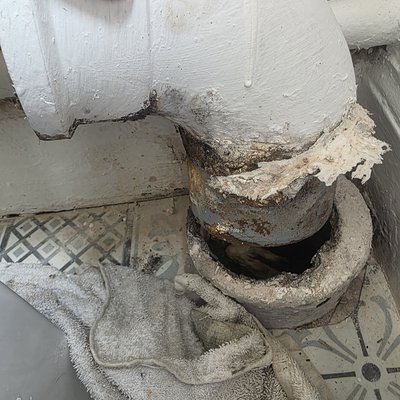
Poorly fitted toilet waste that can leak
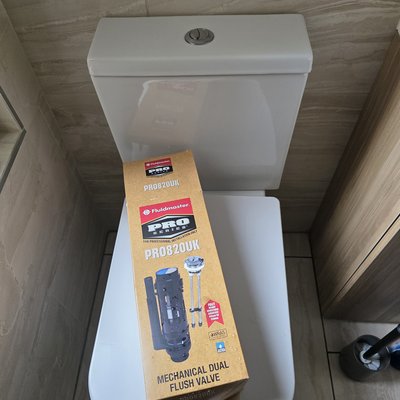
Toilet cistern parts after repair

1. Stop flushing and isolate the toilet


Do not keep flushing an overflowing toilet. Repeated flushing can push more water into a blocked pan and make the problem worse. If the cistern is still filling, turn off the small isolation valve on the toilet inlet pipe if it is safe and accessible. If there is no local valve or it does not work, turn off the main stop tap until advice is given.

2. Check whether it is clean water or wastewater


A cistern overflow or fill valve fault is usually clean water. A blocked toilet pan or waste pipe can involve wastewater, which needs more care. Keep children and pets away, avoid spreading contamination through the property and do not use other connected fixtures if they make the toilet level rise.

3. Limit damage and call directly


Put towels down if the water is clean and the area is safe, but avoid handling wastewater more than necessary. If water is escaping through the floor or into a ceiling below, move items away and keep people clear of electrics. Call directly for advice, then send photos of the toilet, cistern, valve and waste pipe once the immediate flow is reduced.

Common overflowing toilet causes


Blocked toilets


A blocked toilet is one of the most common reasons for water rising in the pan. The blockage may be in the trap of the toilet, the pan connector, the branch pipe or further along the waste run. Toilet paper, wipes, sanitary products, limescale, misplaced toilet blocks and objects dropped into the pan can all cause restrictions. If the water level rises when you flush, stop flushing and call for advice.

Overflowing cisterns


A cistern can overflow if the inlet valve does not shut off, the float is set incorrectly, the internal overflow is not handling the excess water properly or the flush valve is letting by. Modern toilets often send overflow water into the pan rather than through an external overflow pipe, so a constantly running toilet can be a sign of a cistern fault rather than a drain blockage.

Fill valve failures


Fill valves control the water entering the cistern. When a fill valve sticks, wears out, scales up or fails internally, the toilet may keep filling, make noise, overflow into the pan or fail to refill properly after flushing. In hard water areas, limescale can make a tired valve unreliable. Replacing the failed part is often a straightforward repair when access is reasonable.

Staining from toilet flush valve letting by
Replaced toilet cistern parts

Leaking toilet waste connections

A toilet can also leak from the pan connector, flush pipe, cistern bolts, close-coupled seal, isolation valve or waste connection. This may not always cause the pan to overflow, but it can still damage flooring, ceilings and boxing. If the leak appears only after flushing, the waste or flush connection is more likely than the clean water supply.

Emergency toilet repairs

Emergency toilet repairs usually start with making the toilet safe: stopping the water, identifying whether the issue is clean water or waste, and checking whether the toilet can be used. Depending on the fault, a repair may involve clearing a blockage, replacing a fill valve, changing a flush valve seal, renewing a pan connector, fixing a leak or advising on a replacement if the toilet is badly fitted or damaged.


Damage limitation advice


The safest response depends on what is overflowing. If the cistern is overflowing or the toilet is constantly running, isolate the toilet inlet valve if possible. If the pan is filling because of a blockage, do not flush again. If water is near electrics or is leaking into a ceiling below, keep people away from the affected area and treat it as urgent.

Keep the bathroom door open for ventilation but avoid walking wastewater through the property. Use towels only where the water appears clean and safe to handle. Take photos of the toilet, floor, cistern and any water damage for your own records. If the problem affects a flat below, tell the neighbour, landlord or managing agent as soon as possible.

If the toilet is the only toilet in the property, say that when you call. It affects the urgency and the repair approach. A blocked or overflowing toilet in a family home, rental property, flat or business can quickly become a practical problem, especially when guests, tenants, staff or children need access to working facilities.

Portsmouth flats and conversions need extra care because a bathroom leak can quickly affect another property. If you can isolate the toilet and stop the flow, do that first. If you cannot, turn off the main stop tap and call for help. Once the immediate issue is controlled, the repair can be assessed properly.

Poorly fitted toilet waste before repair
Toilet flush valve repair

Emergency toilet repair process


1. Identify the type of overflow

Call directly and explain what is happening: water rising in the pan, clean water constantly running from the cistern, water leaking onto the floor or wastewater backing up after flushing.

2. Isolate and stop using it

If the pan is blocked, stop flushing. If clean water is still entering the cistern, isolate the toilet inlet valve or turn off the stop tap. Send photos only once the flow is controlled.

3. Check access and parts

Photos of the cistern, isolation valve, pan connector, flush button, inlet valve and leak help identify whether access is straightforward and whether a valve, seal or connector is likely to be needed.

4. Clear, repair or make usable

The aim is to clear the blockage, stop the leak, replace the failed part or leave the toilet safely isolated with a clear next step. If it is the only toilet, say so when you call.

Emergency response is always subject to availability, but clear information at the start helps. An overflowing toilet in Portsmouth, Southsea, Cosham or nearby areas may be handled differently depending on whether it is a pan blockage, fill valve fault, cistern overflow, flush valve issue or waste leak. Clean water problems are usually handled differently from wastewater backing up. If a full repair cannot be completed immediately, the priority is to stop the overflow, reduce hygiene and water damage risks, and explain whether the toilet can be used safely.

Overflowing Toilet FAQs


What should I do first if my toilet is overflowing?

Stop flushing, isolate the toilet inlet valve if safe and keep people away from wastewater. If there is no local isolation valve, turn off the main stop tap and call for advice.

Can you help with blocked toilets in Portsmouth?

Yes, subject to availability. Pompey Plumb helps with blocked toilets, toilet pan blockages, waste connection problems and emergency toilet repairs across Portsmouth and Southsea.

Why is my cistern overflowing into the pan?

Modern toilets often overflow internally into the pan. The cause may be a failed fill valve, incorrect float setting, flush valve letting by, limescale or a worn internal part.

Can a fill valve failure become an emergency?

Yes. If the valve does not shut off and the overflow cannot cope, water can continue running and may cause damage. Isolating the toilet inlet can stop the flow until it is repaired.

Should I use chemicals for a blocked toilet?

Avoid harsh chemicals, especially if the toilet is already full or overflowing. They can create splash risks and may not clear the blockage. Stop flushing and ask for advice.

What if the toilet is the only toilet in the property?

Say that when you call. A single unusable toilet is more urgent than a fault where another working toilet is available, especially in a family home, rental property or business.

Can a toilet leak damage the ceiling below?

Yes. A leaking cistern, inlet valve, pan connector, flush pipe or waste connection can damage floors and ceilings below. If water is spreading, isolate the supply and call directly.

Do you provide emergency toilet repairs in Southsea and Portsmouth?

Yes, subject to availability. Portsmouth and Southsea are the main focus, with nearby areas covered when practical. Call first for urgent toilet problems.

WhatsApp Call  07498 964 660