Toilet repair advice

Common toilet leaks and faults explained

Toilet problems are not all the same. A toilet running into the pan, a cistern that will not stop filling, a waste leak and a blocked pan all need different checks.

Reviewed by Pompey Plumb Ltd. Last reviewed 24 June 2026.

  1. Stop flushing if the pan is rising or blocked.
  2. Turn off the toilet isolation valve if the cistern keeps filling.
  3. Keep children and pets away from wastewater.
  4. Take photos of the cistern, valve, waste pipe and leak.
  5. Call sooner if it is the only toilet in the property.

Quick diagnosis

What type of toilet problem is it?

Water running into the pan

Often a flush valve seal, button issue, overflow path, fill valve fault or limescale stopping parts sealing properly.

Cistern keeps filling

Usually a fill valve, float setting, scale, inlet issue or faulty valve that will not shut off.

Water on the floor

Could be a cistern bolt, close-coupled seal, flush pipe, inlet valve, pan connector or waste connection.

Pan rising or blocked

Stop flushing. This is different from a clean-water leak and may involve the pan, trap, pan connector, soil pipe or drain.

Photo guide
Common toilet fault examples

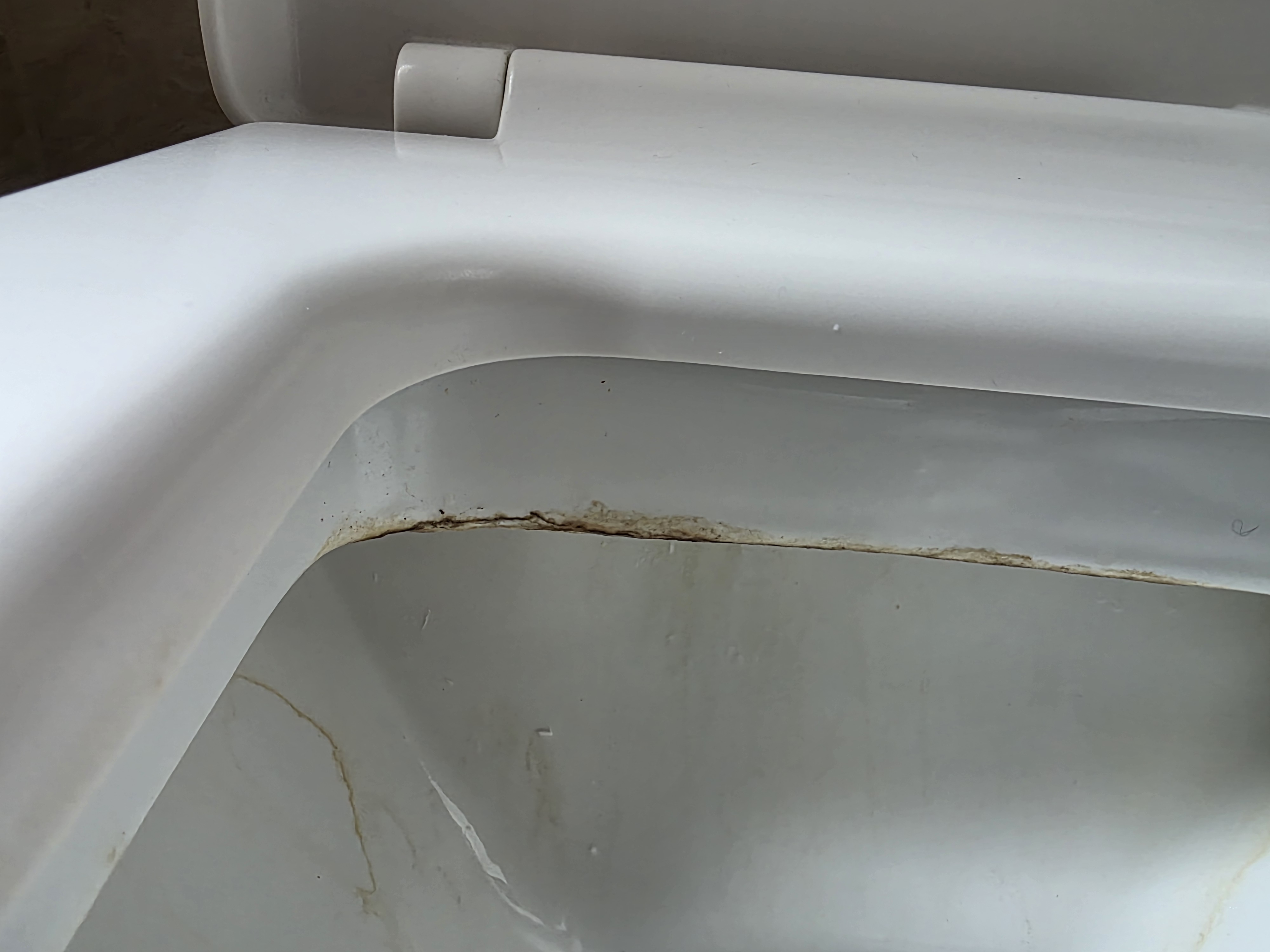
Staining in a toilet pan from a flush valve letting by

Flush valve letting by

Staining or a trickle into the pan can mean the flush valve is not sealing or the cistern is overflowing internally.
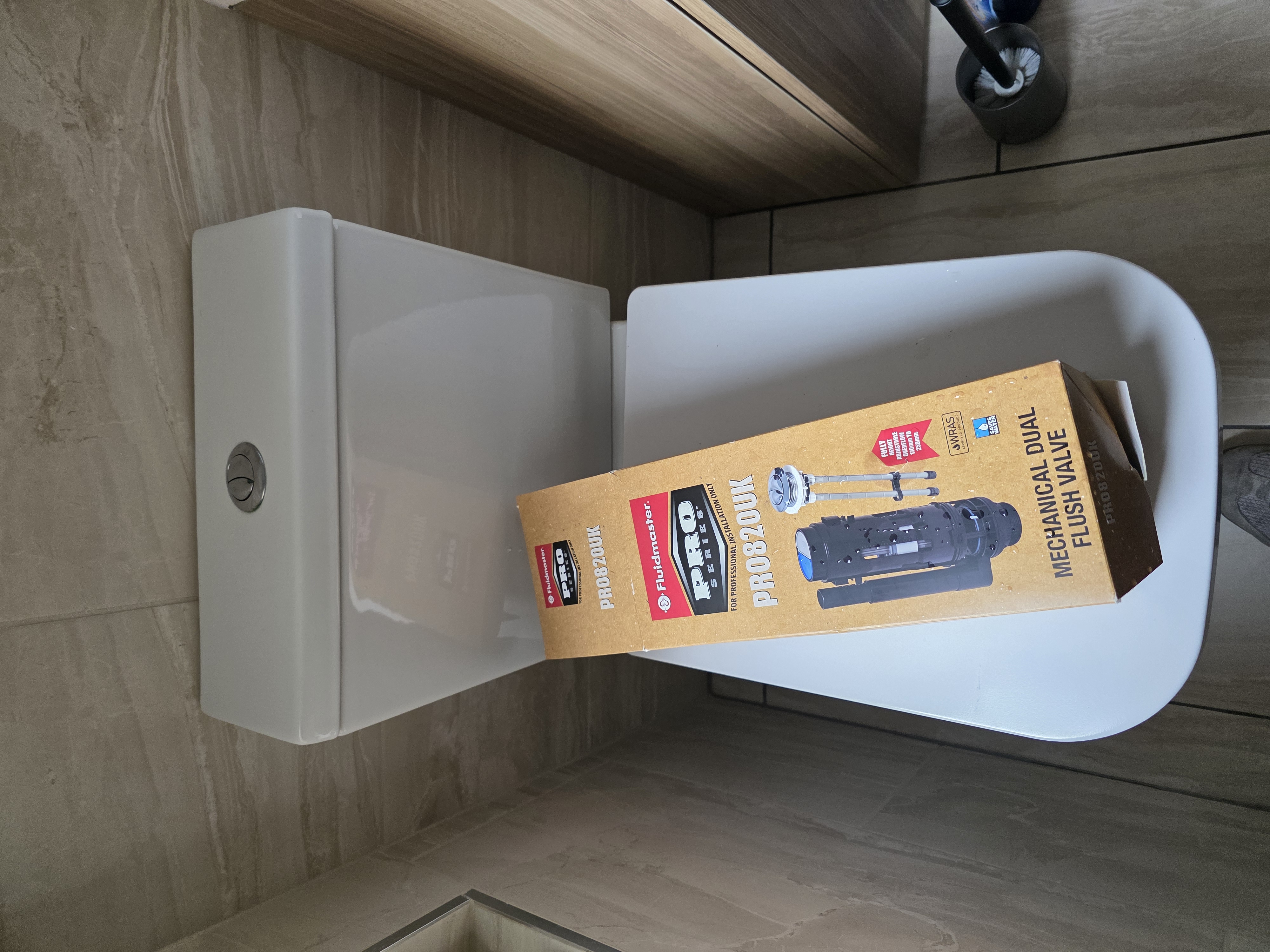
Toilet with modern Fluidmaster flush valve installed

Modern flush valves

Many running toilets can be repaired by replacing tired cistern parts rather than replacing the whole toilet.
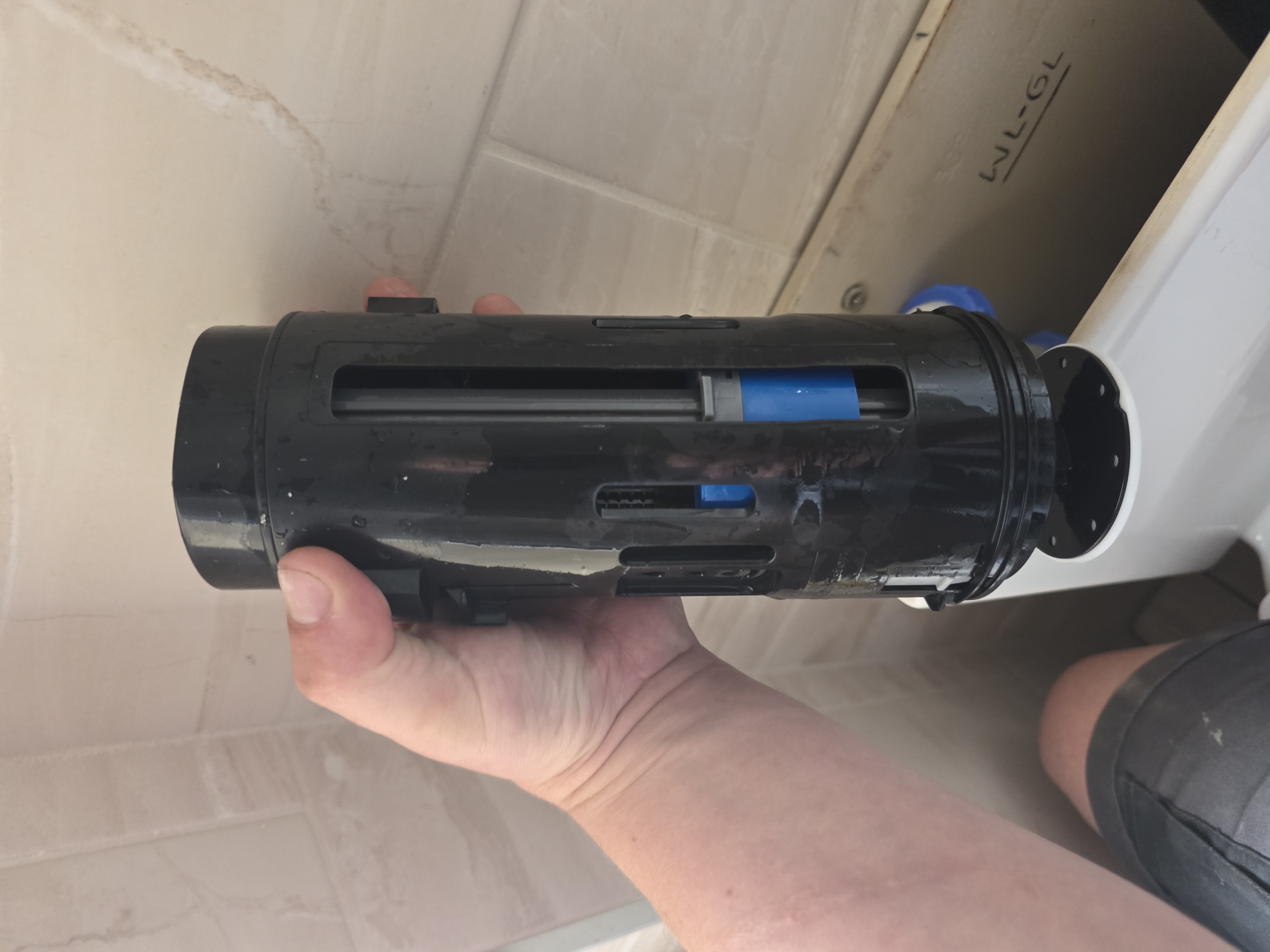
Fluidmaster toilet flush valve part

Replacement parts

The right valve matters. Cheap or awkward parts can fail early, run noisily or be hard to service later.
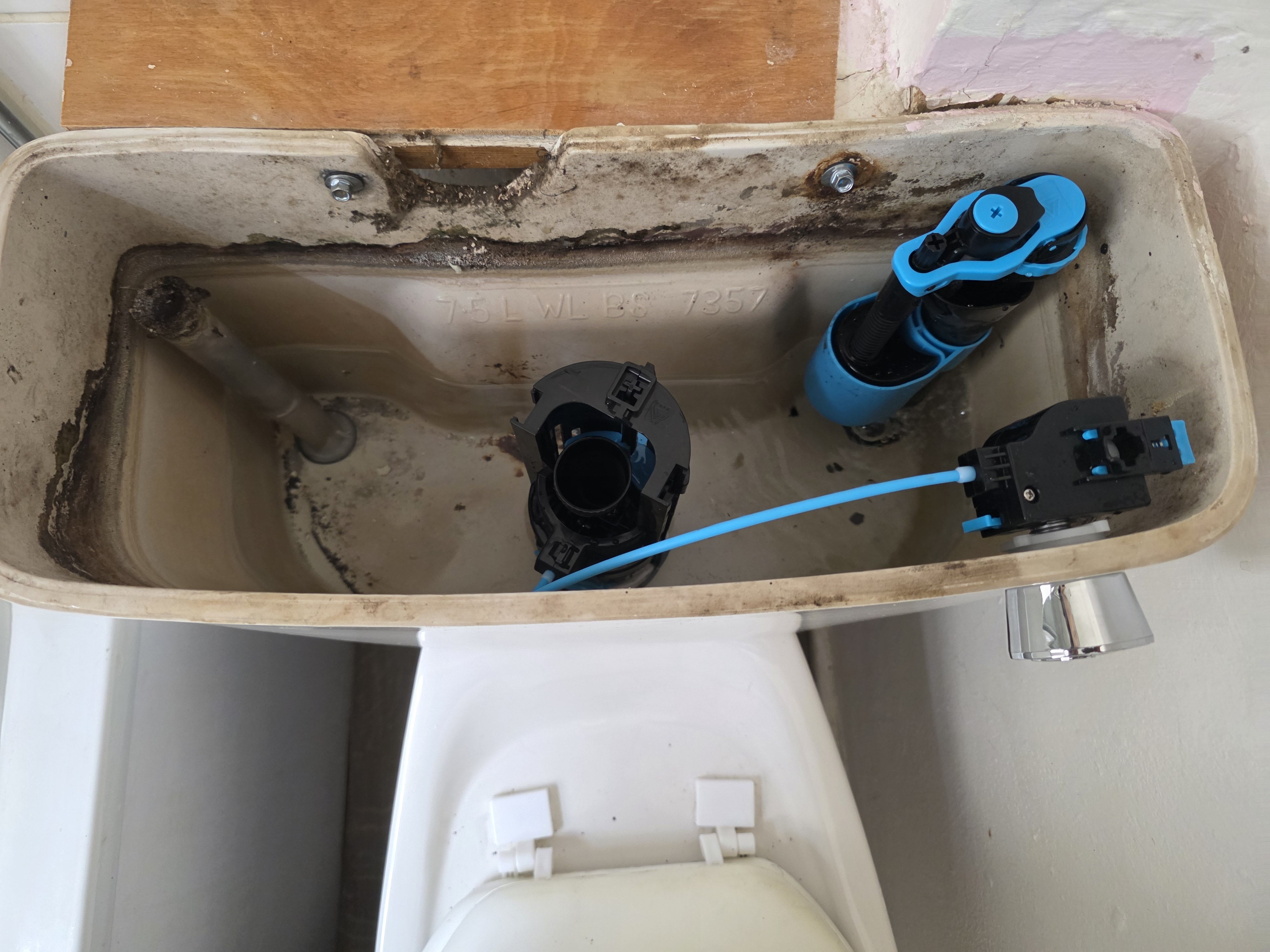
Traditional toilet parts replaced with modern cistern valves

Cistern service

Old inlet and flush parts can often be upgraded with modern, serviceable valves when the cistern is accessible.
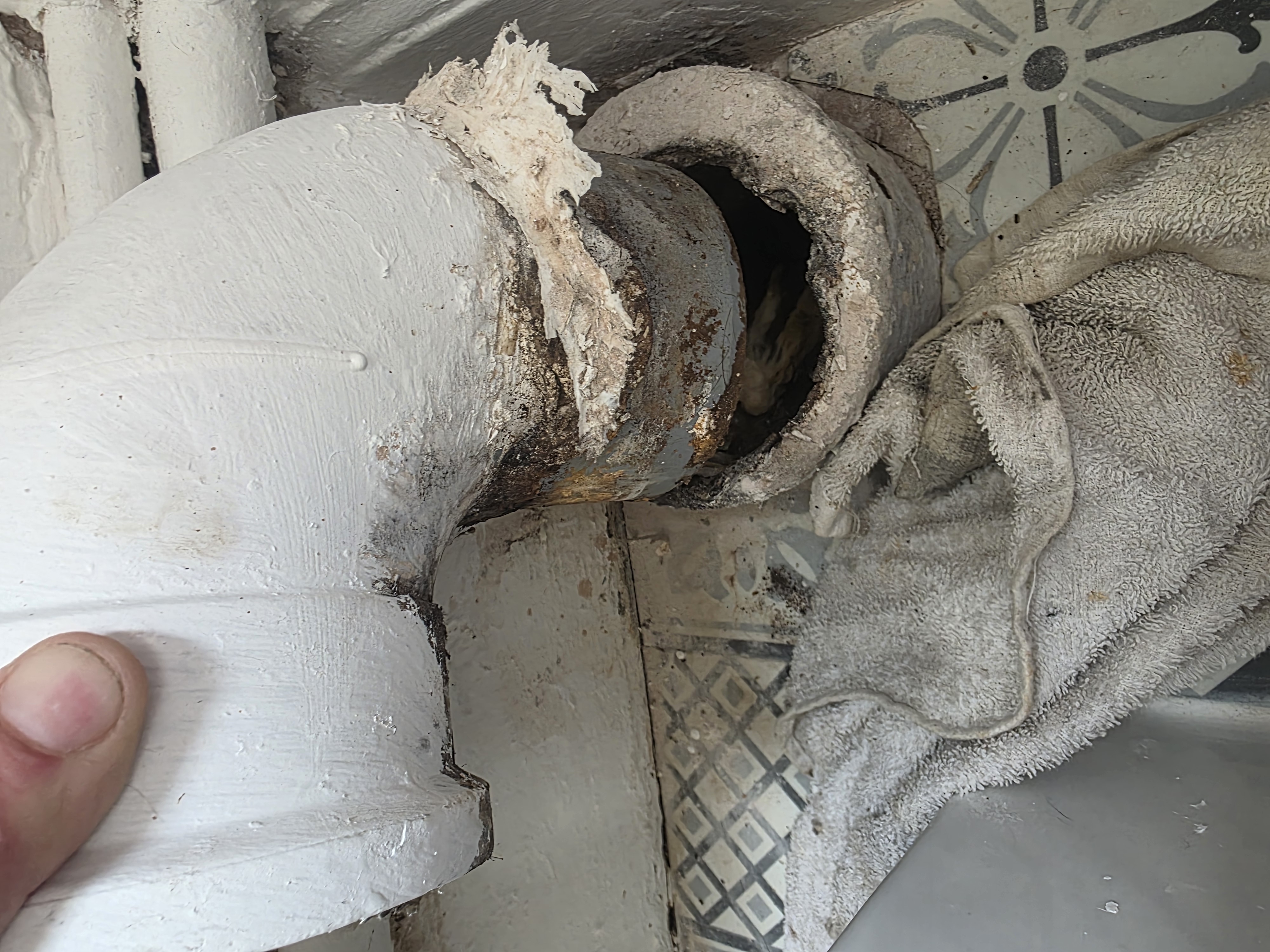
Poorly fitted toilet waste pipework

Poorly fitted waste

Bad waste alignment or poor fitting can leak, smell, restrict flow or make the toilet difficult to replace later.
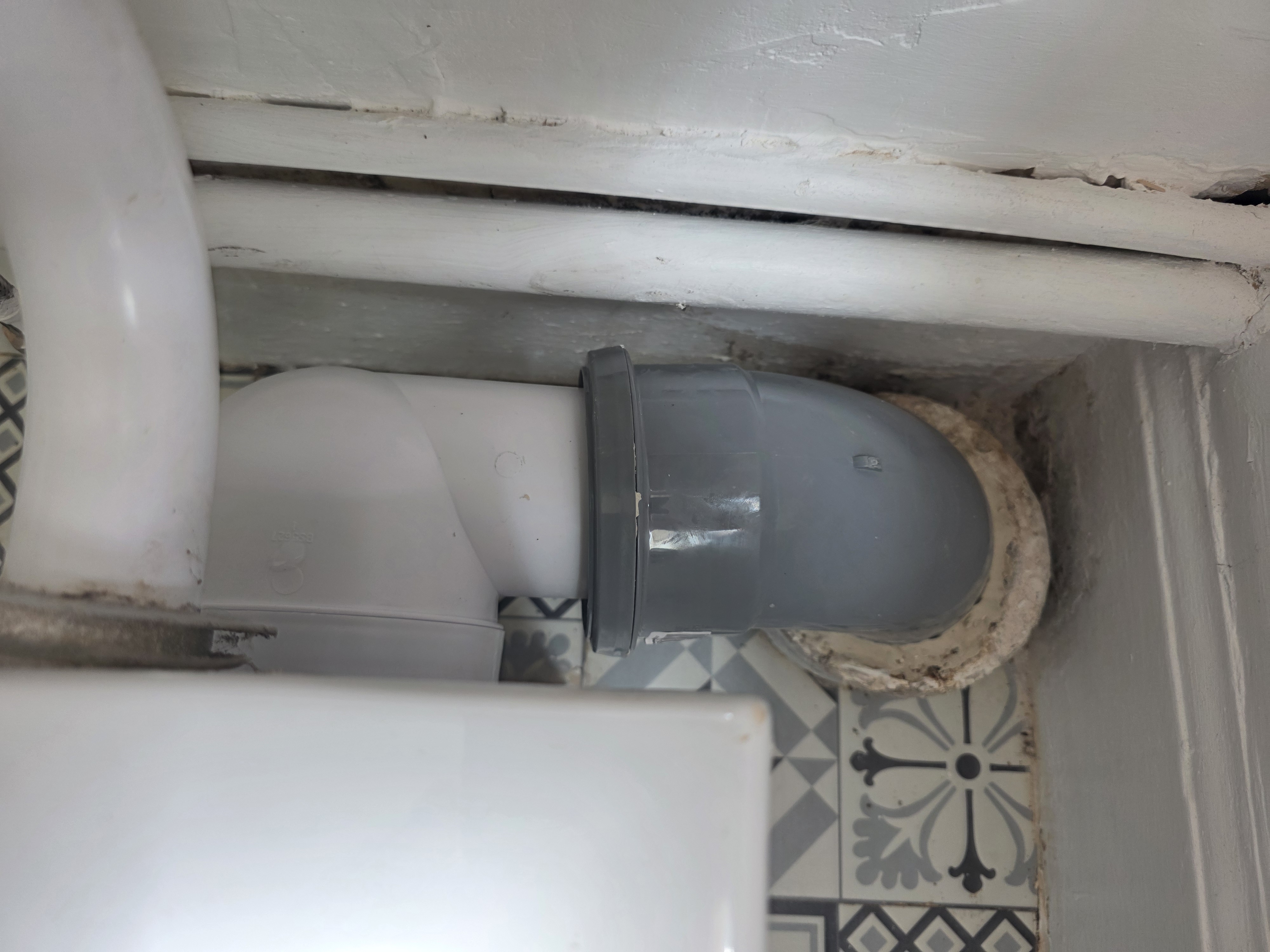
Replaced toilet waste pipework

Corrected waste pipework

Some toilet problems need the waste connection correcting, not just a new pan connector pushed on.
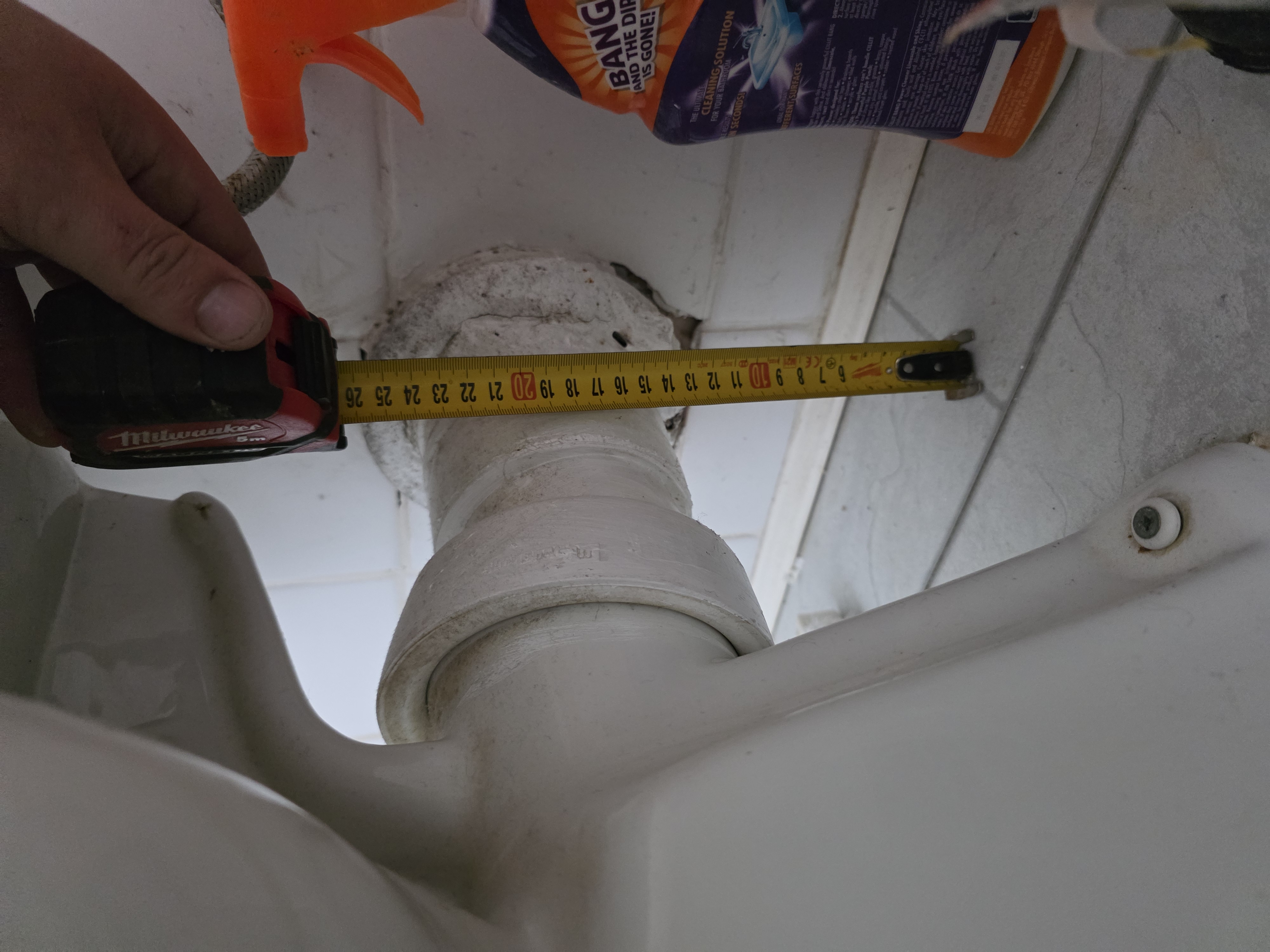
Toilet outlets at different heights

Outlet heights vary

Replacement toilets do not always line up with existing soil pipework. Outlet height and projection matter.
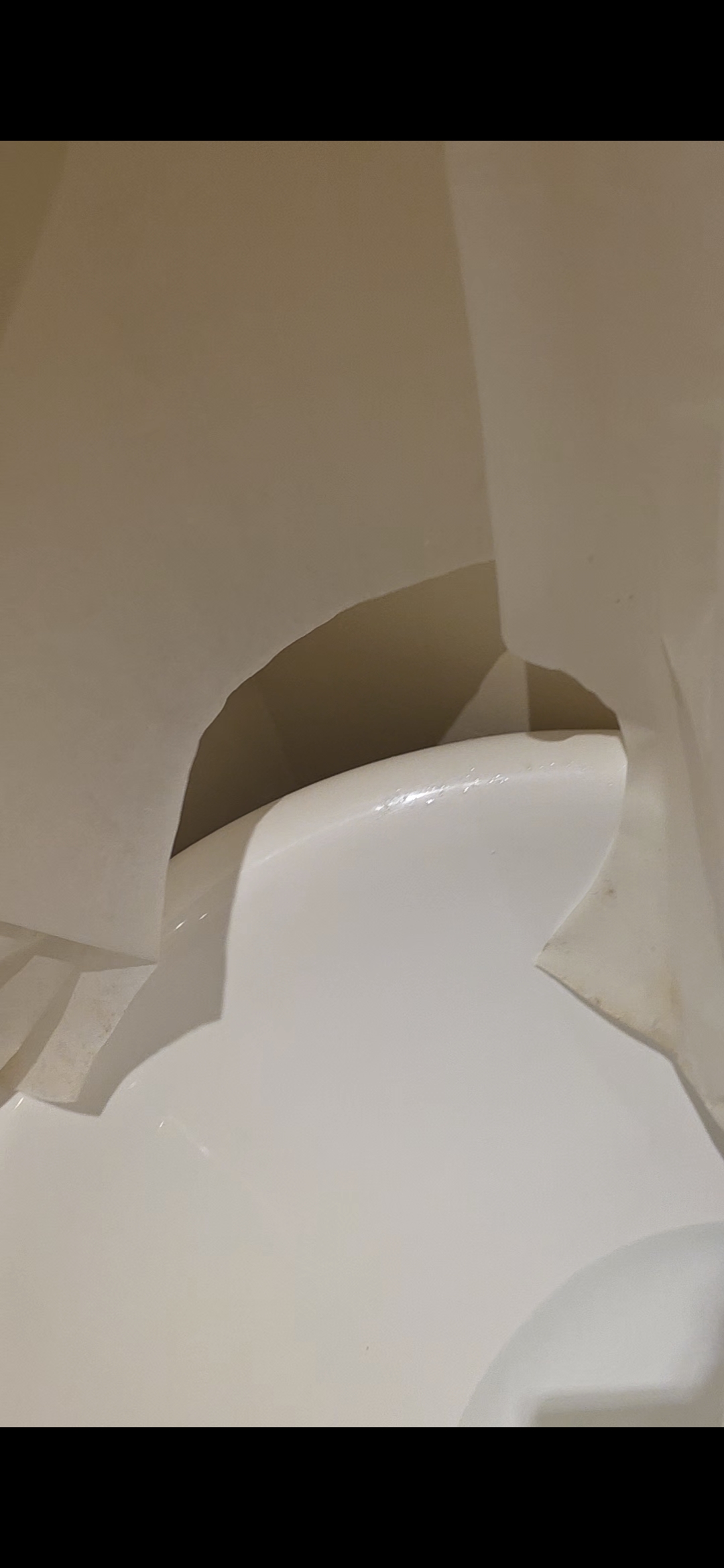
Toilet waste fitting clearance behind a pan

Access and clearance

Tight boxing, awkward pan positions and poor clearance can turn a small repair into a bigger job.
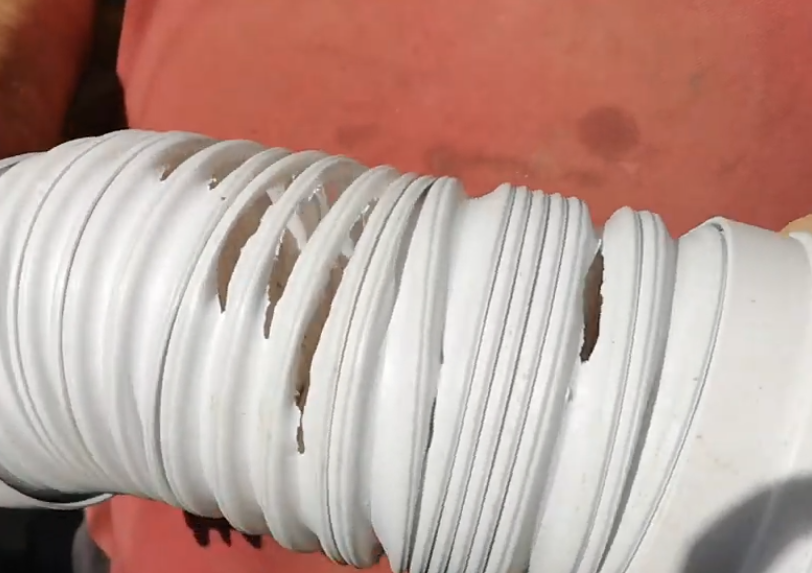
Rat damaged flexible toilet pan connector

Damaged flexible connector

Flexible pan connectors can split, sag, block, smell or be damaged. This one has been chewed, which can cause leaks and hygiene problems.
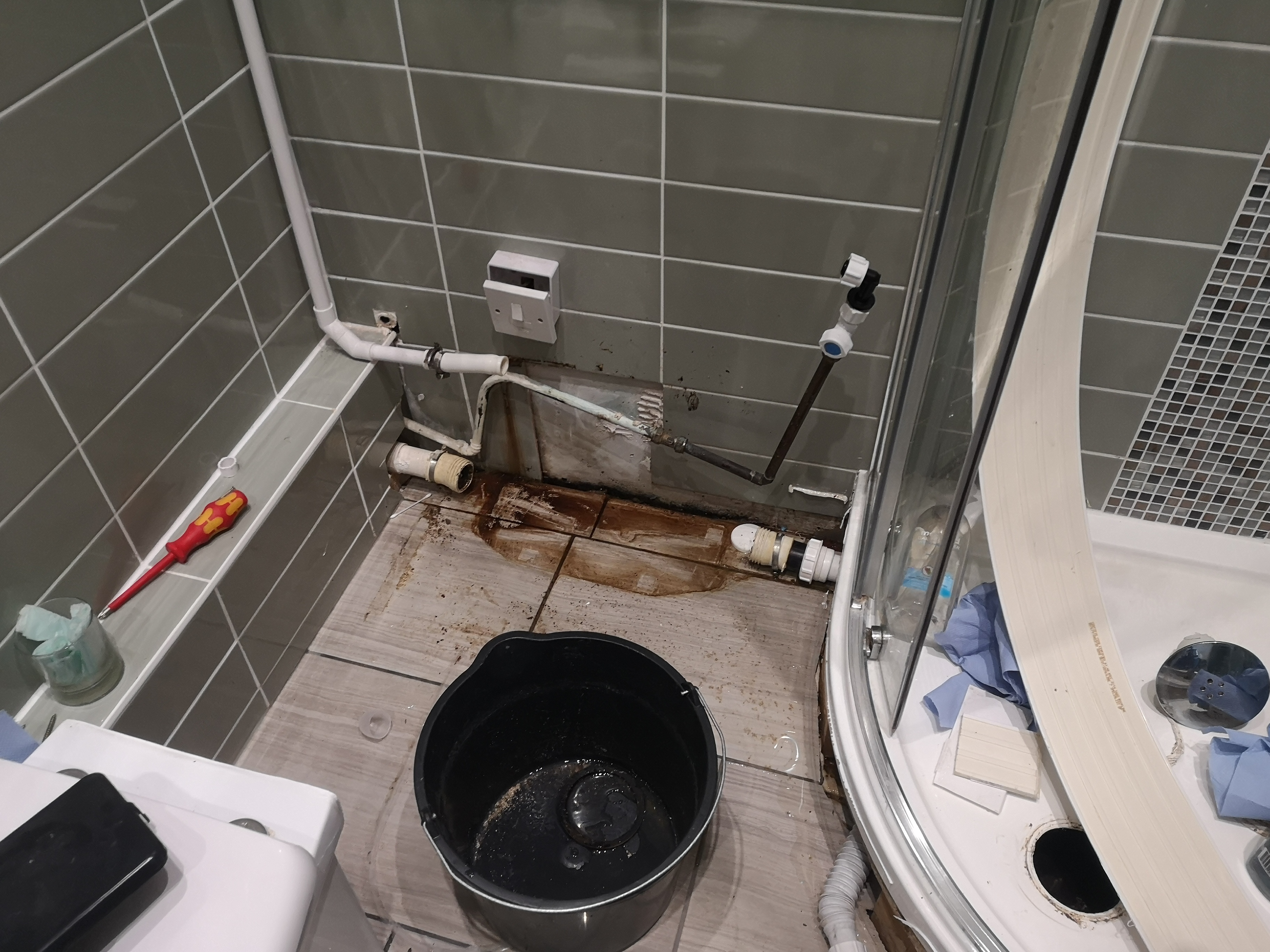
Removed faulty Saniflo macerator unit

Faulty macerator

Saniflo and macerator toilets are different from normal gravity toilets. Blockages, pump faults and misuse need a different repair approach.
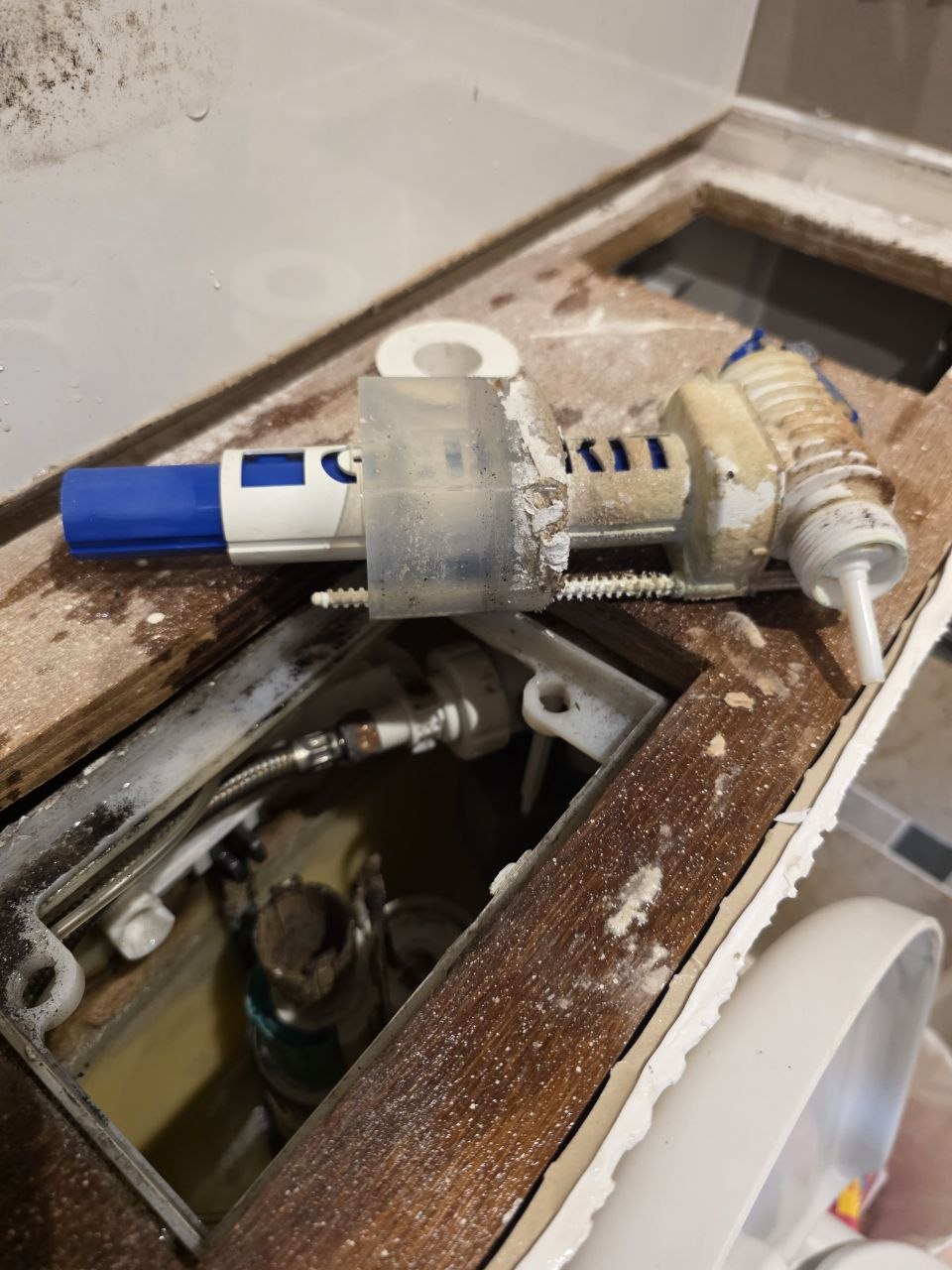
Changing an inlet valve inside a concealed toilet cistern

Concealed cistern access

Concealed cistern repairs depend on access. Inlet valves, flush valves and isolation points can be awkward behind panels or furniture.
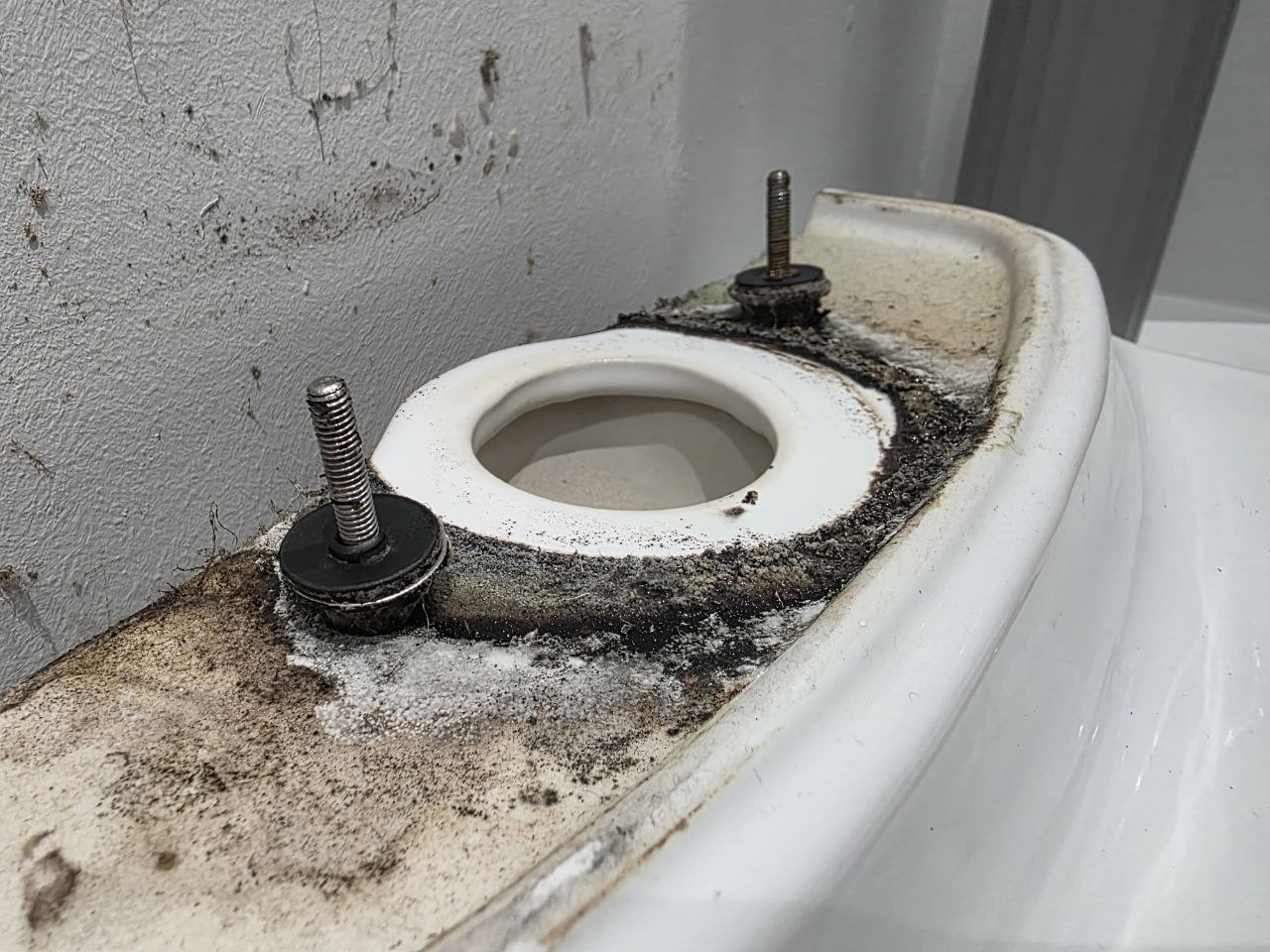
Toilet cistern bolts fitted upside down during poor installation

Poor installation

Incorrectly fitted cistern bolts, seals or washers can leak between the cistern and pan, sometimes only when the toilet is flushed.

Fault types

Toilet faults by symptom

Toilet constantly running into the pan
Could be a flush valve seal, button issue, limescale, overflow path or fill valve overfilling the cistern.
Cistern noisy or slow to fill
Often an inlet/fill valve issue, scale, restricted supply, float problem or valve reaching the end of its life.
Water on the floor after flushing
Think flush pipe, close-coupled seal, cistern bolts, pan connector or toilet waste connection.
Water on the floor without flushing
Think clean-water inlet, isolation valve, fill valve connection, cistern crack or condensation in some cases.
Toilet pan fills high or will not clear
This is usually a blockage or waste restriction. Stop flushing and avoid harsh chemicals in a full pan.
Bad smell around the toilet
Could be a pan connector, waste seal, poor soil pipe connection, dry trap nearby or hidden leak contamination.
Saniflo or macerator toilet has stopped working
Stop using it. Macerators can block, jam, fail electrically or back up if the wrong items are flushed.
Staining in the pan
Staining can be a clue that clean water is constantly running, often from a flush valve letting by or a cistern overfilling into the pan.

Clean water or waste?

The type of water changes the urgency

A toilet inlet leak, cistern overflow or flush valve letting by is usually clean water. A blocked pan, pan connector leak or waste pipe leak can involve wastewater and needs more care.

  • If the pan is rising, stop flushing immediately.
  • If the cistern is still filling, isolate the toilet inlet valve if it is safe and accessible.
  • If the local valve does not work, turn off the main stop tap if water is escaping.
  • Keep children and pets away from wastewater.
  • Tell the plumber whether the water looks clean or dirty.

Only toilet?

A single unusable toilet is more urgent

If it is the only toilet in the property, say that when you call or request an appointment. It changes the practical urgency, especially for families, tenants, elderly customers and businesses.

  • Do not keep flushing to see if it clears.
  • Do not dismantle cistern parts if you cannot isolate the water.
  • Take photos of the cistern internals only if you can remove the lid safely.
  • Photos of the pan connector, isolation valve and floor leak are often useful.

Fitting problems

Some toilet faults are caused by poor fitting or access

Different outlet heights
A new toilet may not line up with the existing waste. Forcing it with awkward connectors can create future leaks.
Close-coupled leaks
Doughnut washers, cistern bolts and flush valve nuts can all leak between the cistern and pan.
Concealed cisterns and valves
Access panels matter where the cistern, inlet valve, flush valve or isolation valve is concealed behind furniture, boxing or tiles.
Bad pan connector angles
Misalignment can cause leaks, smells, poor flushing or repeat movement when the toilet is used.
Flexible pan connectors
Flexible connectors can help in awkward positions, but they can sag, collect waste, split, smell or be damaged by pests if the installation leaves them vulnerable.
Old or tired toilet
Repair may still be possible, but cracked ceramics, poor access, obsolete parts or repeated failures can make replacement more sensible.

Awkward toilets

Some toilets hide the fault or make parts difficult

Modern, concealed and imported toilet setups can look tidy, but they can make diagnosis and repair harder if the pan, cistern, waste connection, parts and sizing were not thought through when fitted.

Back-to-wall pans and vanity units
Back-to-wall pans are harder to access around the pan and connector. Avoid flexible pan connectors where possible, because they can create future problems.
Close-coupled back-to-wall pans
These do not need access panels, as the cistern is exposed. The priority is fitting the pan and pan connector properly, and not relying on poor plastic cistern bolts supplied with the toilet.
Wall-hung toilets
Poor frames, bad access, concealed cistern leaks and movement can turn a small fault into a disruptive repair.
European or odd-size products
Some imported toilets, valves and flush parts use awkward sizes or fittings, making standard UK replacement parts harder to use.
Discontinued flush valves
Some older branded valves are discontinued, but seals and alternative valves that fit the existing cradle are often available.
Poor parts supplied with new toilets
Some new toilets come with poor cistern bolts, pan securing feet, grommets, screw covers or flush valves that are not readily available later.
Low-level and traditional toilets
Flush pipe cone washers and connections can leak, especially on older low-level toilets or toilets boxed into vanity furniture.

Toilet leaking, running or blocked?

Take photos of the cistern, isolation valve, floor leak, pan connector and waste pipe if safe, then call or request an appointment.

Useful links

Request Appointment Call  07498 964 660