Burst pipe repair Portsmouth

Burst Pipe Repair Portsmouth


Emergency pipe leak help across Portsmouth and Southsea

Burst pipes, pipe leaking emergencies, water damage and urgent leak isolation. Subject to availability.

Emergency burst pipe repair in Portsmouth


A burst pipe in Portsmouth needs fast, practical action. Water can spread through floors, ceilings, cupboards and electrics very quickly, especially in flats, older terraced houses and busy family homes where pipework may run behind boxing, under floors or above plasterboard ceilings. If you are searching for burst pipe Portsmouth, emergency burst pipe repair or pipe leaking emergency help, the first priority is to stop or reduce the water flow before the damage gets worse.

Pompey Plumb helps with urgent leaks and accessible pipe repairs across Portsmouth and Southsea, with surrounding areas covered when availability allows. We focus on clear advice, direct contact and sensible repair work. If the leak is from pipework, valves, toilet connections, tank feeds, cylinder pipework, sink supplies or other accessible plumbing, we can assess the problem and explain the safest next step.

For the quickest response, call first. If you can safely take photos or a short video, send them by WhatsApp after the water has been isolated or reduced. A photo of the pipe, ceiling stain, stop tap, cylinder cupboard or affected room can help us understand whether the issue looks like a burst pipe, a failed joint, a leaking valve, a split flexible connector or another emergency plumbing problem.

Immediate emergency actions


Old pipework that may leak in an emergency
Repaired copper pipework after leak repair

1. Turn off the water supply


If water is escaping, turn off the main stop tap if it is safe to reach. In many Portsmouth homes it may be under the kitchen sink, near the front of the property, in a cupboard, under stairs, in a utility area or near where the water supply enters the building. Some flats have an internal stop tap, a communal isolation point or a local valve serving only part of the property. If you are unsure which valve to use, call and describe what you can see.

2. Protect electrics and limit spread


If water is near sockets, lights, consumer units or appliances, keep clear of the affected area and arrange appropriate electrical advice. Do not touch wet switches or fittings. Move furniture, rugs and valuables away from the leak where possible. Use towels to slow the spread across floors, but do not block an overflow or trap water where it can run unseen into another room.

3. Send photos once the area is safer


A photo of the leak, stop tap, ceiling damage, cylinder cupboard, toilet connection or under-sink pipework can help us give clearer advice before arrival. Do not delay turning off the water just to take photos. First make the area safer, then send information if you can.

Common causes of burst pipes and emergency pipe leaks


Cold weather and exposed pipework


Cold weather can split pipework in lofts, garages, outside walls, garden rooms and unheated cupboards. Portsmouth does not experience the coldest winters in the country, but short freezing spells are still enough to damage vulnerable pipework. A frozen pipe may not leak until it thaws, which is why a burst pipe can appear suddenly after the temperature rises.

Old joints and failed fittings


A pipe leaking emergency is often caused by a failed compression joint, a corroded section of copper, a loose tap connector, a split flexible hose or an old valve that has started leaking under pressure. In older Portsmouth properties, plumbing may have been altered several times, leaving awkward pipe runs and fittings in hard-to-reach places.

DIY and accidental damage


Pipes can be damaged by screws, nails, drilling, flooring work, kitchen fitting, bathroom work or moving appliances. If a pipe is punctured, do not remove the screw or fitting unless advised, because it may be partly restricting the leak. Turn off the water and call for advice.
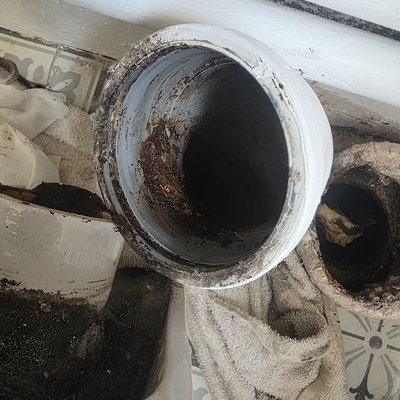
Missing seal causing a plumbing leak
Repaired pipework after leak

Pressure, movement and hidden weak points

Pipework expands, contracts and moves slightly as water heats, cools and flows. Over time, movement can stress joints, clips and valves. If pipework is poorly supported, pressure changes can make weak points fail sooner. This is common around washing machines, dishwashers, cylinders, toilets and pipework that has been boxed in without enough support.

Hot water cylinders, tanks and appliance connections

Leaks near a hot water cylinder, cold water tank, overflow pipe or associated valve can look like a burst pipe because the water may run continuously. A failed toilet inlet, basin tap connector, kitchen waste, dishwasher hose or washing machine valve can also release enough water to cause serious damage.
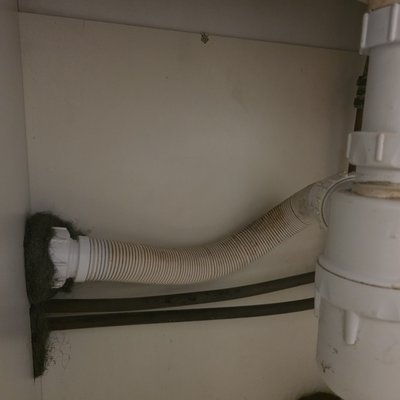

Damage limitation advice


The most important step is to stop the incoming water. Once the supply is off, open the lowest cold tap in the property to drain remaining water from the pipework where appropriate. If the leak is on hot water pipework, be careful: water may be hot, and stored hot water systems can behave differently depending on the setup.

If water has spread across flooring, remove what you can safely move and start drying the surface. Keep a record with photos for your own reference and for any insurance conversation. Do not lift flooring, cut ceilings or remove boxing unless it is safe and necessary, because hidden services may be present.

Water through a ceiling is stressful because the source may not be directly above the visible stain. It can travel along joists, pipework and plasterboard before appearing in another room. Avoid touching wet lights or electrical fittings. If a ceiling is sagging, stay clear and do not stand underneath it.

If you live in a flat, tell neighbours or the building manager if the leak could be affecting another property. If water is coming from above your flat, you may need to contact the upstairs occupant or building management urgently while arranging plumbing help.

Poor quality plumbing before leak repair
Secure pipework after leak repair

Emergency response process


1. Call directly

For emergency burst pipe repair, call first rather than waiting for a form reply. Give your location, what is leaking and whether the water is isolated.

2. Send photos

If safe, send photos of the pipe, stop tap, ceiling, cylinder cupboard, toilet, appliance or under-sink area. This helps judge urgency and parts.

3. Make safe

The first aim is to stop the leak, isolate the pipework and reduce further damage. A permanent repair may be possible immediately, depending on access and condition.

4. Repair or advise

Once the source is understood, we will explain whether the pipe can be repaired, whether parts are needed or whether specialist follow-up is sensible.

Emergency response is always subject to availability, but clear information at the start helps. A pipe leaking emergency in Southsea, Portsmouth, Cosham or nearby areas may be handled differently depending on access, property type and whether the water is still running. If a repair cannot be completed immediately, the priority is to leave the property safer, drier and with a clear next step.

Burst Pipe Repair FAQs


What should I do first if a pipe bursts?

Turn off the water supply if it is safe, move people away from any electrical risk and call for advice. If you can safely send photos after isolating the water, they may help identify the pipe or valve involved.

Can you provide emergency burst pipe repair in Portsmouth?

Yes, subject to availability. Pompey Plumb helps with accessible burst pipes, urgent pipe leaks, failed joints, leaking valves and water damage problems across Portsmouth and Southsea.

Can a burst pipe be repaired straight away?

Sometimes. It depends on where the pipe is, whether the water has been isolated, the condition of the pipework and whether access is possible without damaging the property. The first aim is to make the leak safe.

Is a leaking toilet pipe an emergency?

It can be. Toilet inlet pipes, cistern connections and waste connections can cause serious damage if water reaches flooring or ceilings below. Isolate the toilet supply if possible and call for advice.

What if water is coming through my ceiling?

Avoid the affected area, especially if electrics are nearby. Turn off the water if safe and call. The source may be a bathroom, cylinder, tank, toilet, shower, pipe joint or appliance above.

Should I call a plumber or my insurer first?

If water is still escaping, deal with the emergency first. Stop the water, make the area safer and arrange plumbing help. Take photos for your records and speak to your insurer when the immediate risk is controlled.

Do you cover Southsea, Cosham and nearby Portsmouth areas?

Yes. Portsmouth and Southsea are the main focus, with Cosham and surrounding areas covered when availability allows. Location and urgency both matter with emergency callouts.

Can I prevent another burst pipe?

Some risks can be reduced by insulating vulnerable pipework, replacing tired valves, supporting loose pipes, repairing small leaks early and knowing where your stop tap is before an emergency happens.

WhatsApp Call  07498 964 660