One sink or basin
Usually the trap, plug waste, pop-up mechanism or first section of waste pipe. Hair, toothpaste, soap scum and scale are common.
Emergency plumbing advice
Before pouring anything down the pipe, work out what type of blockage you have. Hair, fat, limescale, washing machine solids and drain blockages all behave differently.
Reviewed by Pompey Plumb Ltd. Last reviewed 24 June 2026.
Quick diagnosis
Usually the trap, plug waste, pop-up mechanism or first section of waste pipe. Hair, toothpaste, soap scum and scale are common.
Often hair, soap residue and shallow waste runs. A trap clean, wet vac or mechanical clearing may beat chemicals.
Could be too much paper, wipes, sanitary products, toys, pan connector problems or a soil pipe issue.
If more than one fixture is affected, think shared waste pipe, soil stack, gully, inspection chamber or external drain.
Photo guide
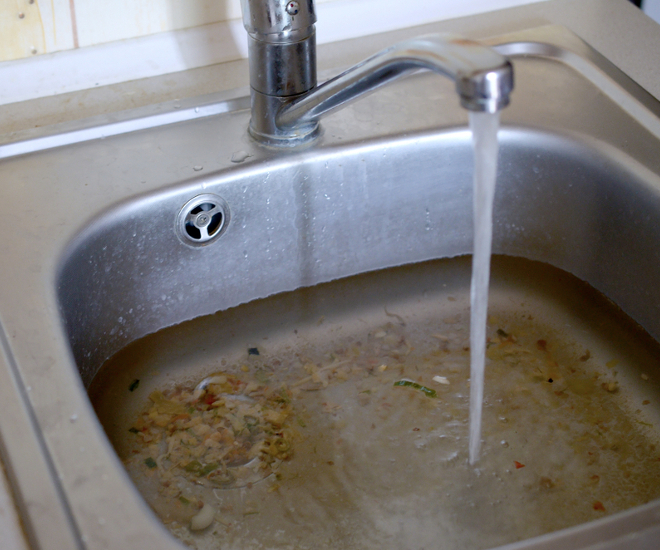
If only this fixture is affected, the blockage is often close by in the trap, plug waste or first waste pipe.
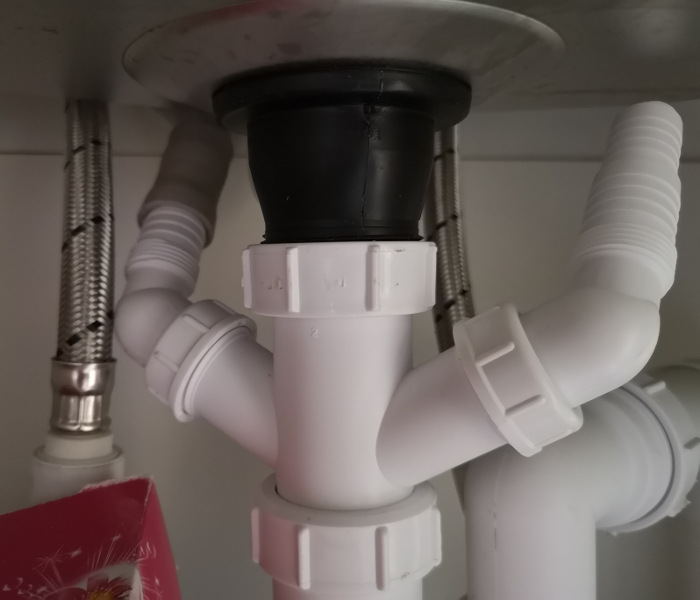
Washing machine and dishwasher wastes often block at the spigot or trap connection, especially where residue builds up.
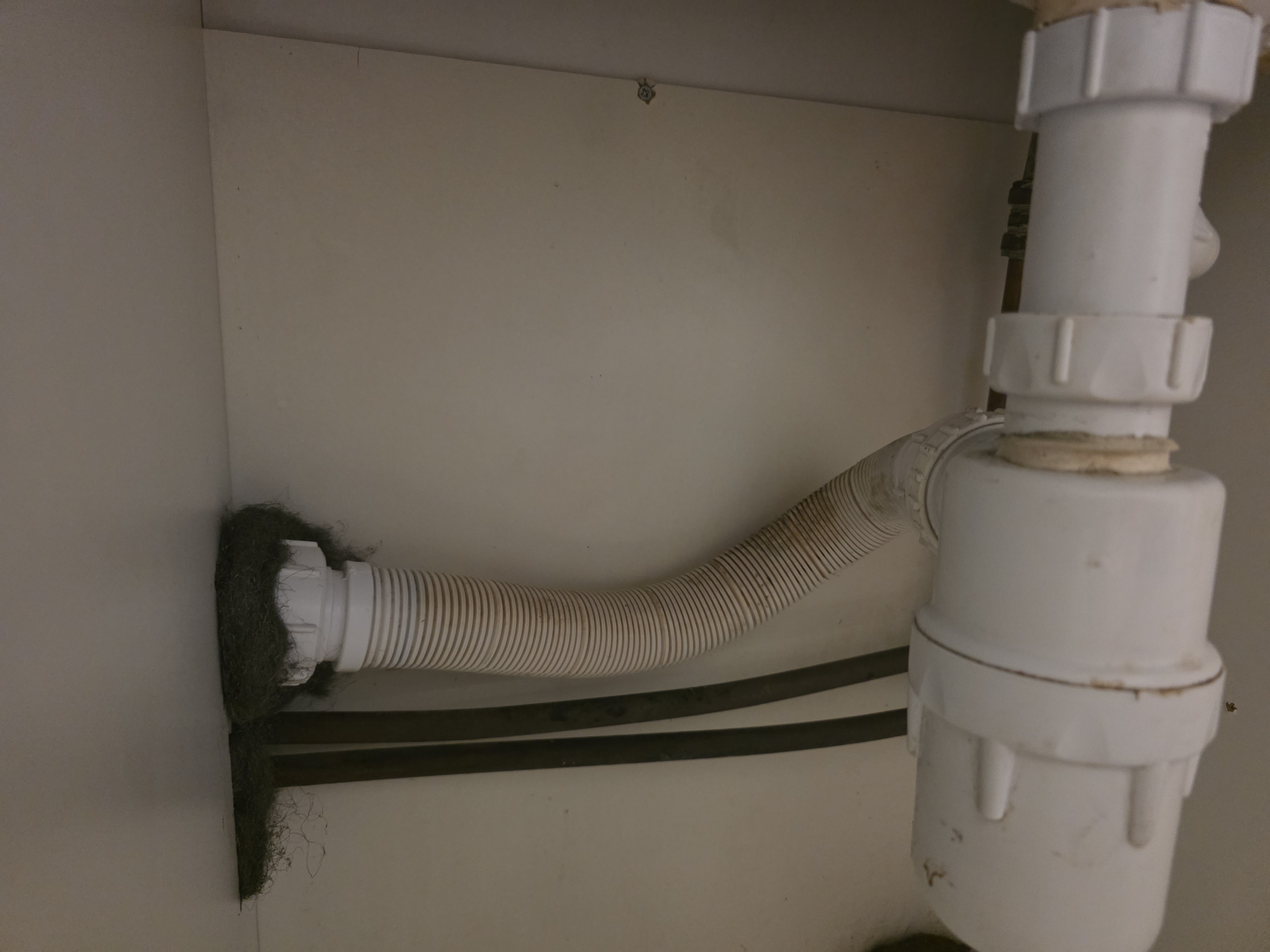
Long runs, bad falls, awkward bends and poor fittings can cause repeat blockages even after the pipe is cleared.
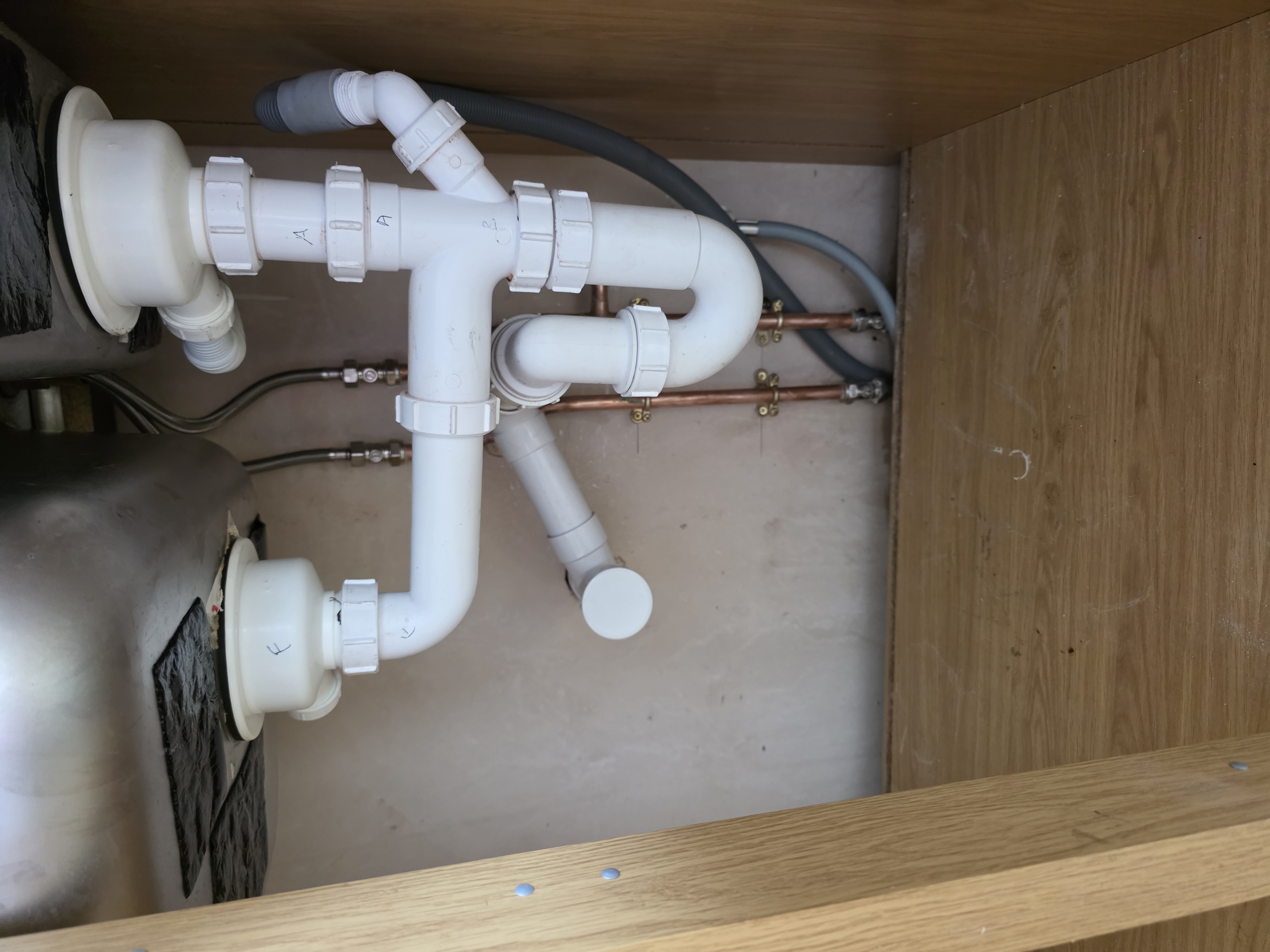
Sometimes the fix is not stronger chemical. It is cleaning, replacing or improving the waste pipe layout.
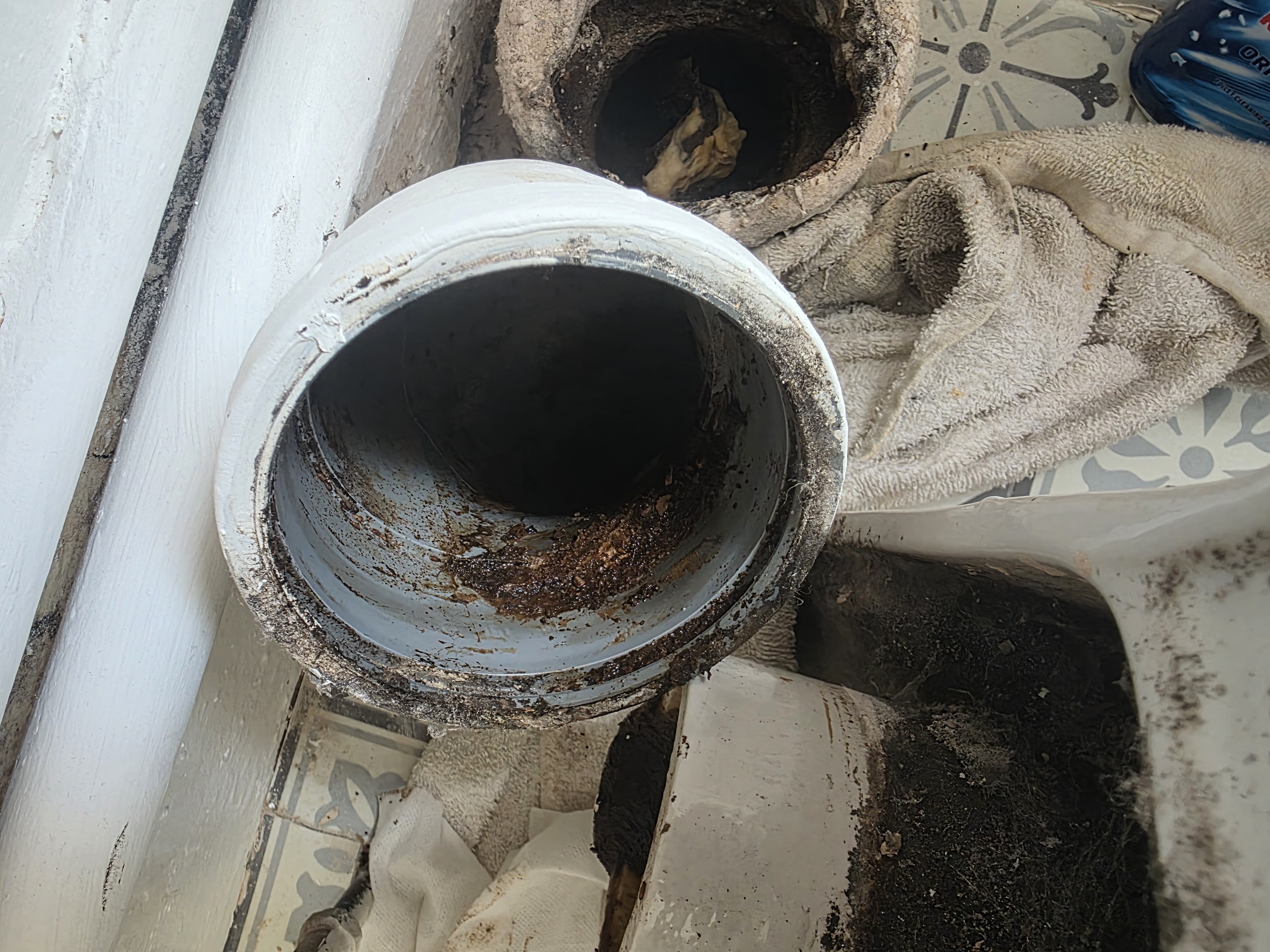
A missing seal or poor connection can leak and collect debris. This is a fitting problem, not just a blockage.
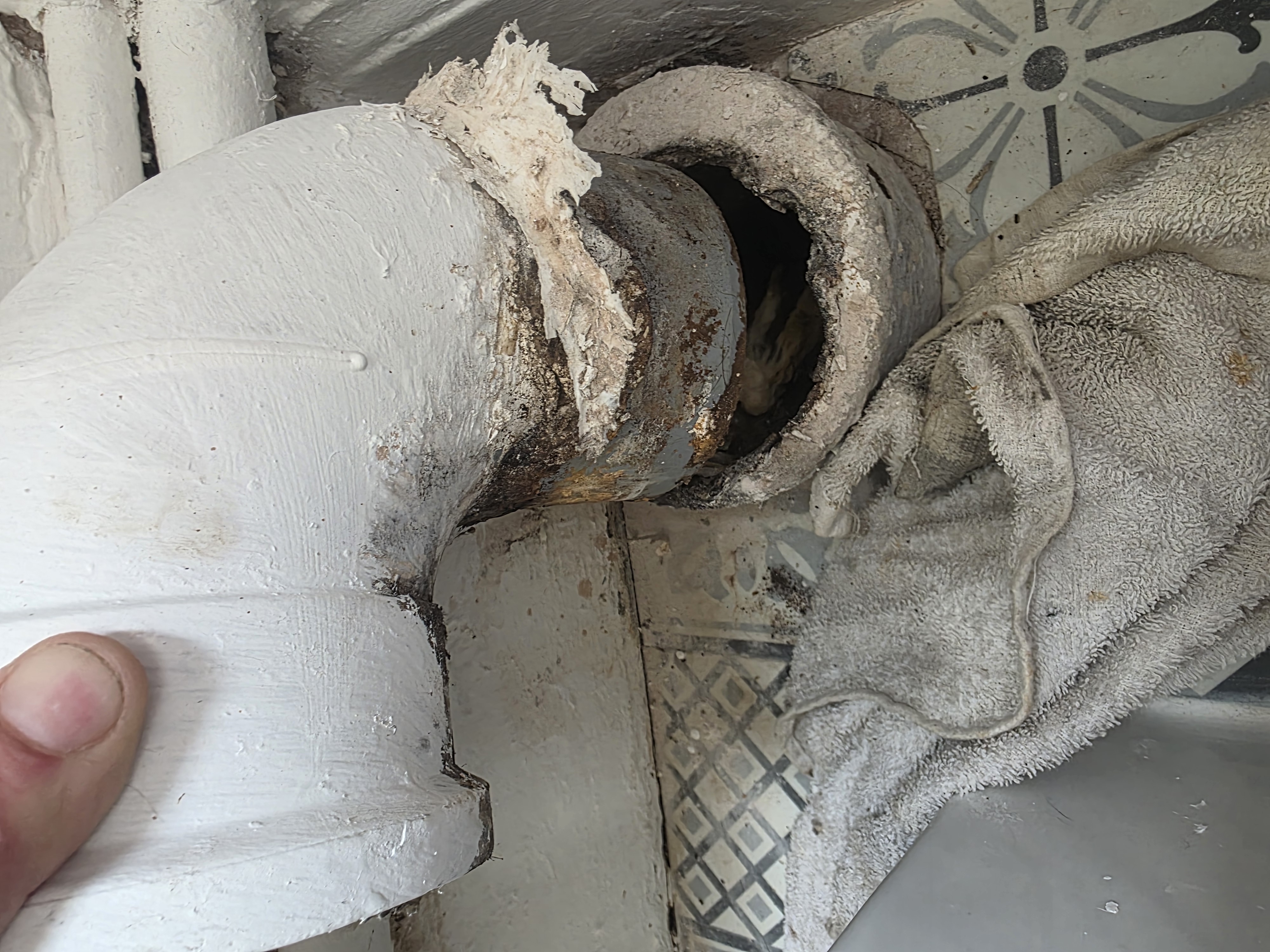
A toilet blockage may be in the pan, the pan connector, the soil pipe or the outside drain.
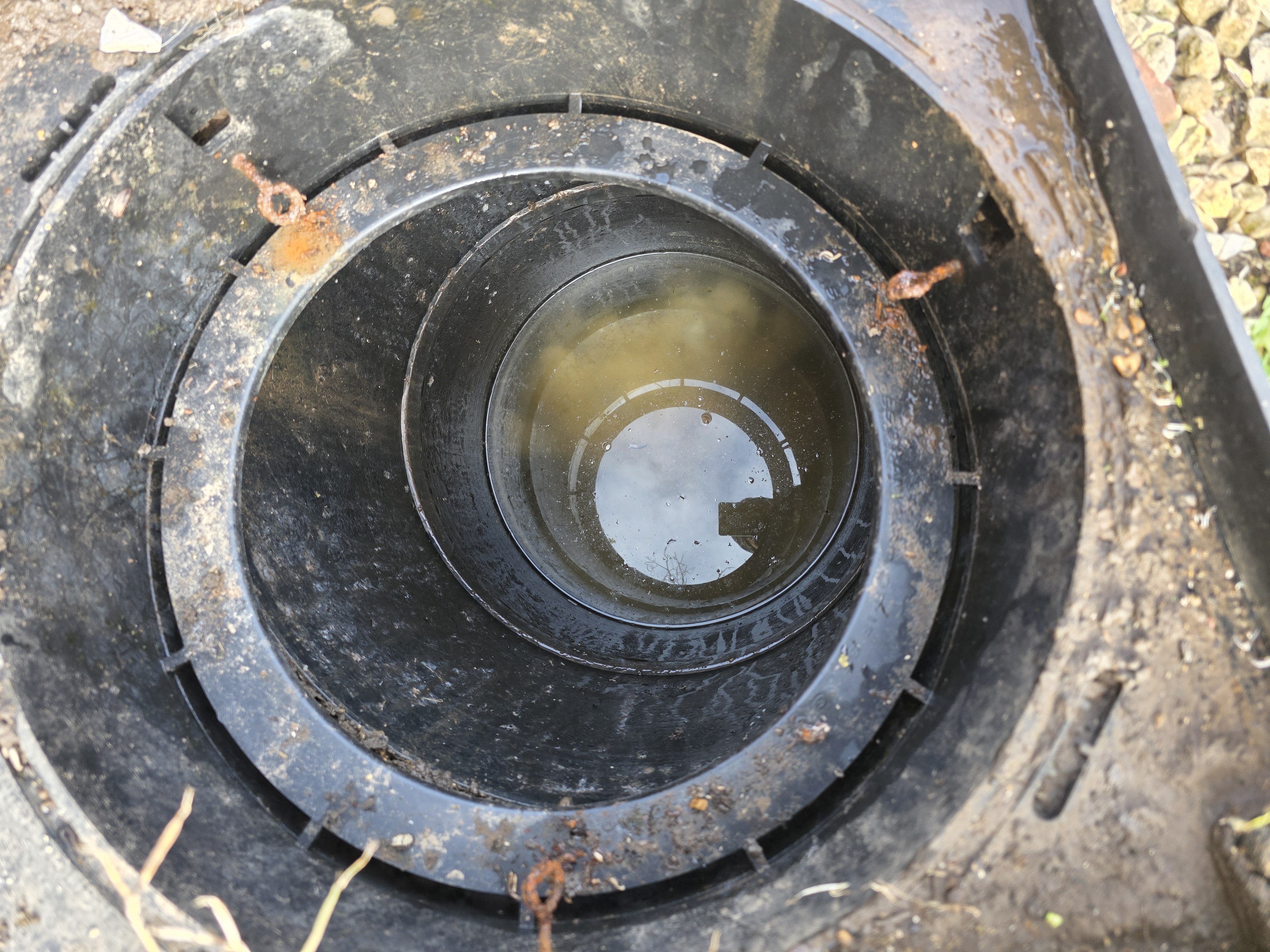
If an outside chamber is full, stop using water where possible. This is usually a drain or sewer route problem.
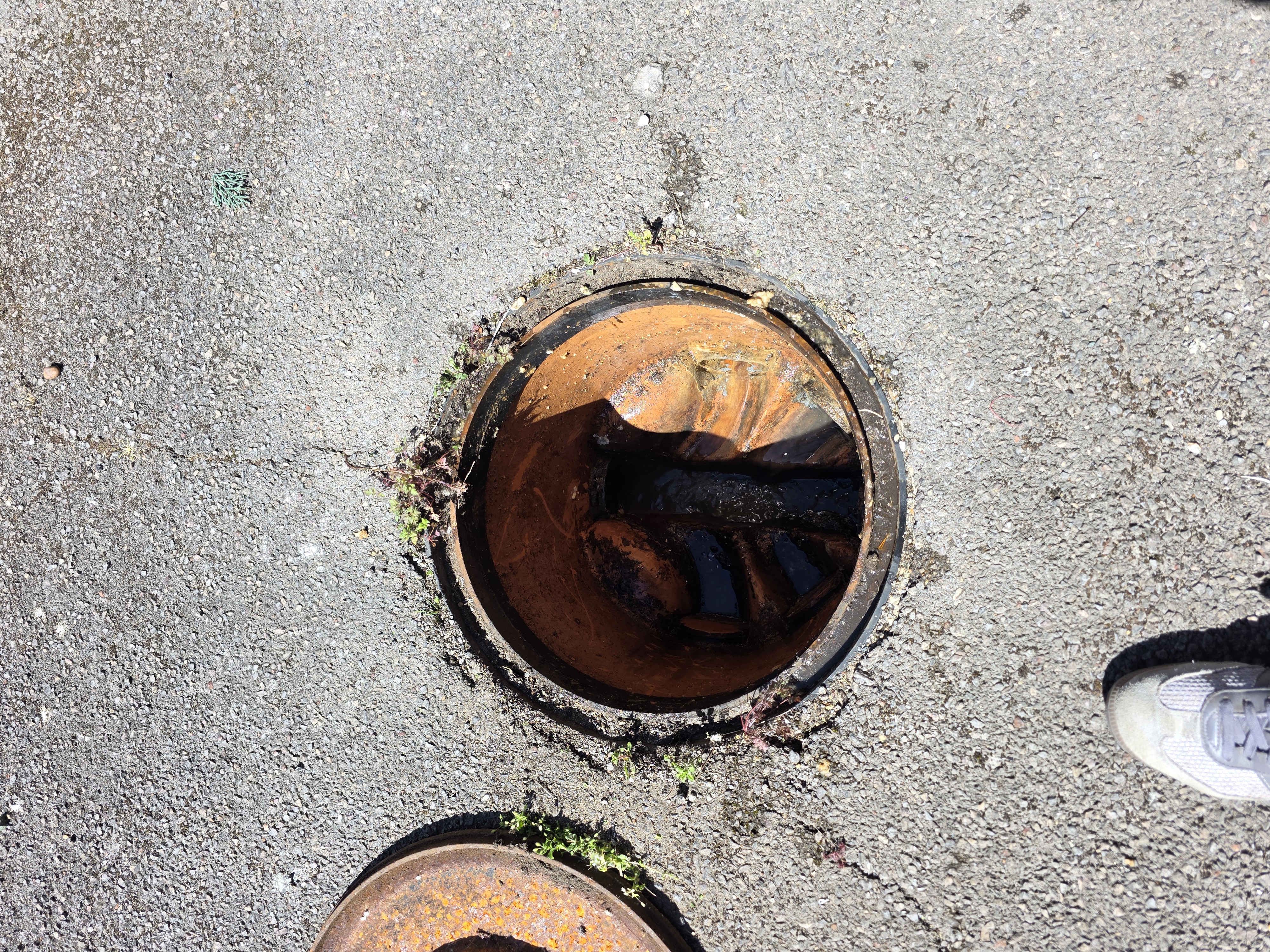
Once clear, the cause still matters. Wipes, fat, roots, broken pipework or bad falls can make the problem return.
Blockage types
Basin traps
A basin trap can become packed with hard scale, toothpaste, soap scum, hair and sludge. In hard-water areas, the mineral part can become so solid that it has to be broken out or the trap replaced.
Washing machines
Washing machine and dishwasher wastes can build up solids that are different from a normal kitchen fat blockage. Detergent, fabric conditioner, lint, skin oils, low-temperature wash residue and limescale can form hard deposits in spigots and waste pipes.
Internet advice
Bicarbonate of soda and vinegar fizz because an acid and a base are reacting. The fizz can look impressive, but the mixture largely neutralises itself and is usually weak against a real blockage.
Chemical safety
Drain unblockers can be strongly acidic or strongly alkaline. They can burn skin, damage eyes, react with other cleaners and leave dangerous liquid trapped in the pipe.
Portsmouth and Southsea
Take a clear photo of the fixture, pipework under it and any outside chamber if it is safe, then call or request an appointment.
Useful links