Leaking hot water cylinder Portsmouth

Leaking Hot Water Cylinder Portsmouth


Cylinder leak advice and plumbing help across Portsmouth and Southsea

Help with leaking hot water cylinders, visible corrosion, immersion heater leaks and urgent water damage concerns. Subject to availability.

Help with leaking hot water cylinders in Portsmouth


A leaking hot water cylinder in Portsmouth needs careful action. Cylinder leaks can range from a small drip on a valve to a serious leak from the cylinder body, immersion heater, pipework, tundish, expansion vessel or safety discharge arrangement. Because hot water cylinders store a large volume of water, even a slow leak can damage floors, ceilings, airing cupboards and rooms below.

Pompey Plumb helps with plumbing issues around hot water cylinders across Portsmouth and Southsea, including accessible cylinder pipework leaks, failed valves, immersion heater leaks, overflow or discharge concerns and advice on whether a repair is sensible. Some cylinder faults can be repaired with parts, but others point towards age, corrosion or system problems where replacement may be the safer long-term option.

For the quickest response, call first. If it is safe, send photos of the cylinder cupboard, the leak, immersion heater, visible valves, pipework, tundish, expansion vessel, pressure gauge or any discharge pipe. Do not remove covers, touch electrical parts or interfere with safety valves. A clear photo can help identify whether the fault looks like a simple plumbing leak, a failed immersion heater seal, corrosion or an issue needing specialist cylinder replacement.

Emergency actions for a leaking cylinder


Scaled and leaking immersion heater
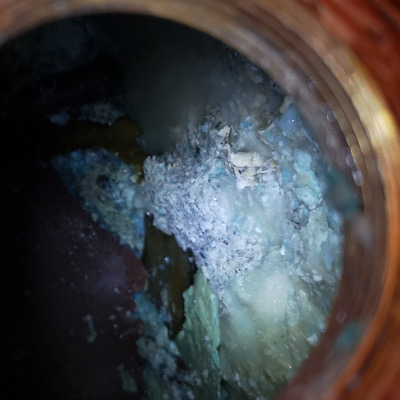
Limescale inside hot water cylinder

1. Reduce the water supply if safe


If water is actively leaking, turn off the relevant isolation valve if you know which one controls the cylinder supply. If you are unsure, turn off the main stop tap and call for advice. Do not force old valves, and do not operate safety valves unless specifically advised, because they may not reseat correctly.

2. Avoid electrical parts and hot water


A cylinder cupboard can contain immersion heater electrics, programmers, pumps, wiring and very hot pipework. Keep clear of wet electrical fittings and do not remove immersion heater covers. If water is hot, avoid direct contact and keep children and pets away from the area.

3. Limit damage and call directly


Move stored items out of the airing cupboard if it is safe. Use towels or a container to control minor dripping, but do not block a discharge pipe or tundish. If water is reaching a ceiling below, keep away from lights and electrics. Call directly, then send photos once the immediate risk is reduced.

Common hot water cylinder leak causes


Cylinder leaks and pipework leaks


Not every cylinder cupboard leak means the cylinder itself has failed. Water may come from compression fittings, isolation valves, motorised valves, pumps, expansion pipework, drain points or cylinder connections. If the leak is on accessible pipework or a valve, repair may be possible without replacing the cylinder.

Corrosion and cylinder body leaks


Corrosion on the cylinder body, seams or old connections is more serious. If the copper cylinder or unvented cylinder casing is leaking from the body, a permanent repair is often not sensible. Age, poor water quality, limescale, previous leaks and unsupported pipework can all contribute to cylinder failure.

Immersion heater leaks


Immersion heater leaks can appear around the immersion boss, gasket or threaded connection. Limescale and age can make immersion heaters difficult to remove, and forcing one can damage the cylinder. If the leak is around an immersion heater, the repair decision depends on access, cylinder age, condition and whether the fitting can be safely removed.
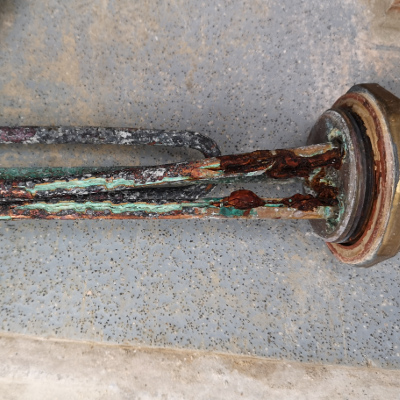
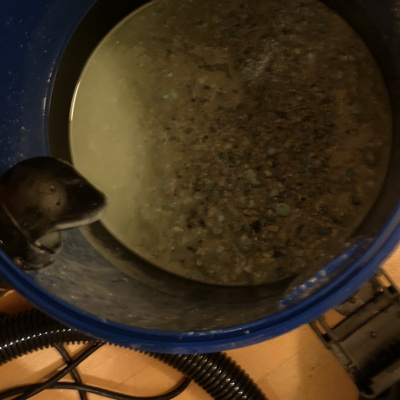
Scaled immersion heater leaking from cylinder
Limescale removed from hot water cylinder

Expansion vessel issues

Expansion vessel issues can cause pressure problems, discharge through a tundish, frequent topping up or water passing from relief valves. On unvented cylinders, expansion vessels and safety controls are part of the cylinder's protection. If water is discharging from safety pipework, it should be investigated rather than capped or ignored.

Repair vs replacement

Repair may be suitable for a leaking valve, pipe joint, drain cock, immersion gasket or accessible connection. Replacement is more likely if the cylinder body is corroded, split, badly scaled, unsafe, very old or repeatedly leaking. The right decision depends on the source of the leak, condition of the cylinder, type of system and availability of parts.


Repair vs replacement advice


A cylinder leak should be assessed before assuming replacement is needed. If the leak is from a compression nut, isolation valve, motorised valve, immersion heater washer or nearby pipework, a repair may be possible. If the leak is from the cylinder body, seam or a badly corroded boss, replacement is usually the more realistic recommendation.

The age of the cylinder matters. Spending money on parts and labour for a very old cylinder may not be good value if other signs point towards wider failure. A newer cylinder with a localised valve or fitting leak is a different situation. The aim is to explain the practical options rather than push a replacement where a repair would be reasonable.

Unvented hot water cylinders have safety controls and must be treated carefully. Discharge from a tundish, pressure relief valve or expansion vessel should not be ignored. Depending on the fault, the next step may involve a qualified unvented cylinder engineer or cylinder replacement rather than a simple plumbing repair.

If the cylinder leak is causing active water damage, the immediate priority is to isolate or reduce the water and protect the property. Once the leak is controlled, photos, access details and the type of cylinder help decide whether a repair visit, parts order or replacement quote is the most sensible route.

Limescale inside hot water cylinder
Leaking immersion heater on hot water cylinder

Emergency cylinder leak process


1. Call first

Call directly and explain what you can see in plain terms, such as water in the airing cupboard, dripping from pipework, water near the cylinder or staining on the ceiling below.

2. Turn water off if obvious

If you know where the main stop tap is and can reach it safely, turn it off. If you are unsure, do not start turning unfamiliar valves around the cylinder.

3. Keep clear of risk

Avoid wet electrical fittings, hot water and any part of the cylinder you do not recognise. Do not remove covers, force valves or block overflow or discharge pipework.

4. Send photos if safe

If the immediate risk is under control, send a few clear photos of the cylinder cupboard and leak area. This can help decide whether a repair visit or replacement advice is needed.

Emergency response is always subject to availability, but a simple description and safe photos can help. You do not need to identify the exact cylinder part yourself. If a full repair cannot be completed immediately, the priority is to reduce the leak, protect the property and explain the safest next step.

Leaking Hot Water Cylinder FAQs


What should I do first if my hot water cylinder is leaking?

Turn off the relevant water supply if safe, keep away from wet electrics and hot water, and call for advice. Do not remove covers or interfere with safety valves.

Can a leaking hot water cylinder be repaired?

Sometimes. Leaking valves, pipe joints, drain points or immersion seals may be repairable. If the cylinder body is corroded or split, replacement is usually more realistic.

Is an immersion heater leak serious?

It can be. An immersion heater leak may be a washer or boss issue, but removal can be risky on old or scaled cylinders. The cylinder condition should be considered before forcing parts.

What are signs of cylinder corrosion?

Green staining, pinhole leaks, damp insulation, corrosion around bosses, repeated weeping from connections and age-related damage can all suggest the cylinder is deteriorating.

What does an expansion vessel issue look like?

Expansion vessel problems can show as pressure changes, water discharging through a tundish, relief valves passing or repeated system issues. These should be checked rather than ignored.

Should I replace an old leaking cylinder?

If the cylinder is old, corroded, badly scaled or leaking from the body, replacement is usually better value than repeated small repairs. Localised valve leaks are different.

Can a cylinder leak damage the ceiling below?

Yes. Cylinder cupboards are often upstairs or above living areas. Even a small leak can travel through flooring and appear as staining or dripping below.

Do you cover Portsmouth and Southsea?

Yes, subject to availability. Portsmouth and Southsea are the main focus, with nearby areas covered when practical. Call first for active cylinder leaks.

WhatsApp Call  07498 964 660